Enemies to Lovers Romance
They say there's a thin line between love and hate. Get ready to walk that line, blur it, and burn it to the ground.

What makes a great
Enemies to Lovers Romance
story?
It's the ultimate slow burn. Two rivals, driven by mutual disdain, witty banter, and undeniable chemistry, find themselves falling for the one person they swore to despise. The tension is everything, making that final confession feel like a hard won victory. It's not just love; it's a surrender.
Related Stories
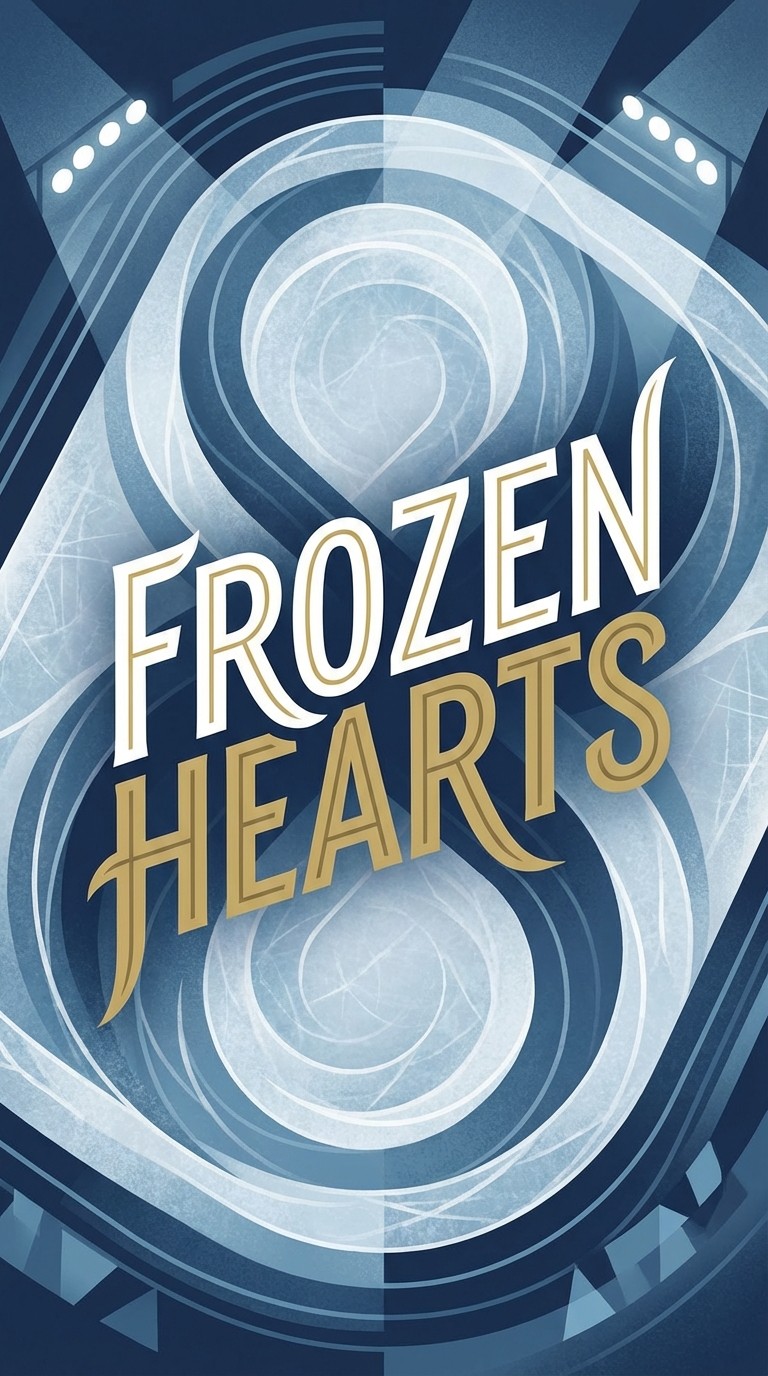
Frozen Hearts
🌶️🌶️
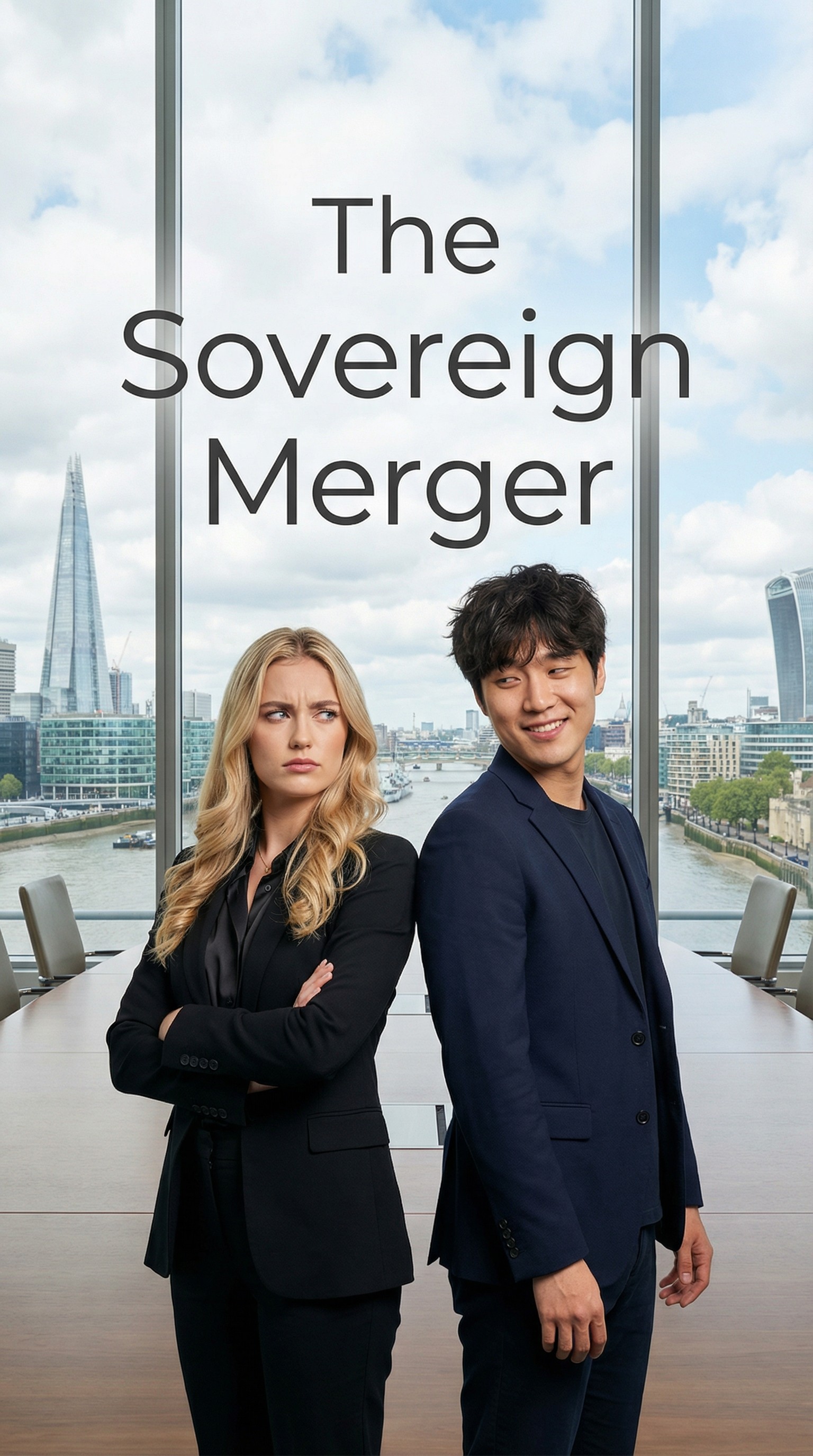
Sovereign Merger
🌶️🌶️🌶️🌶️
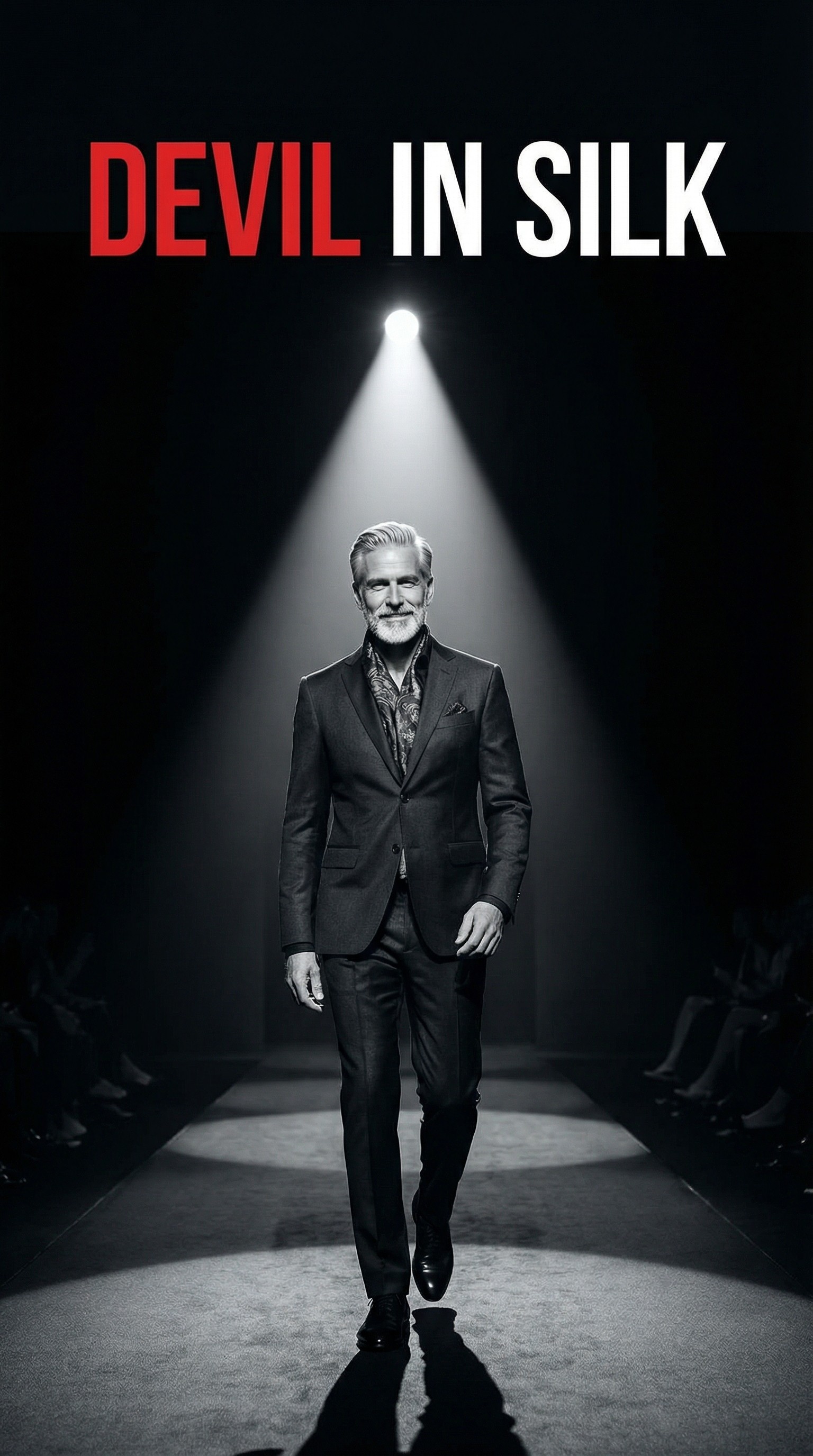
Devil in Silk
🌶️🌶️🌶️
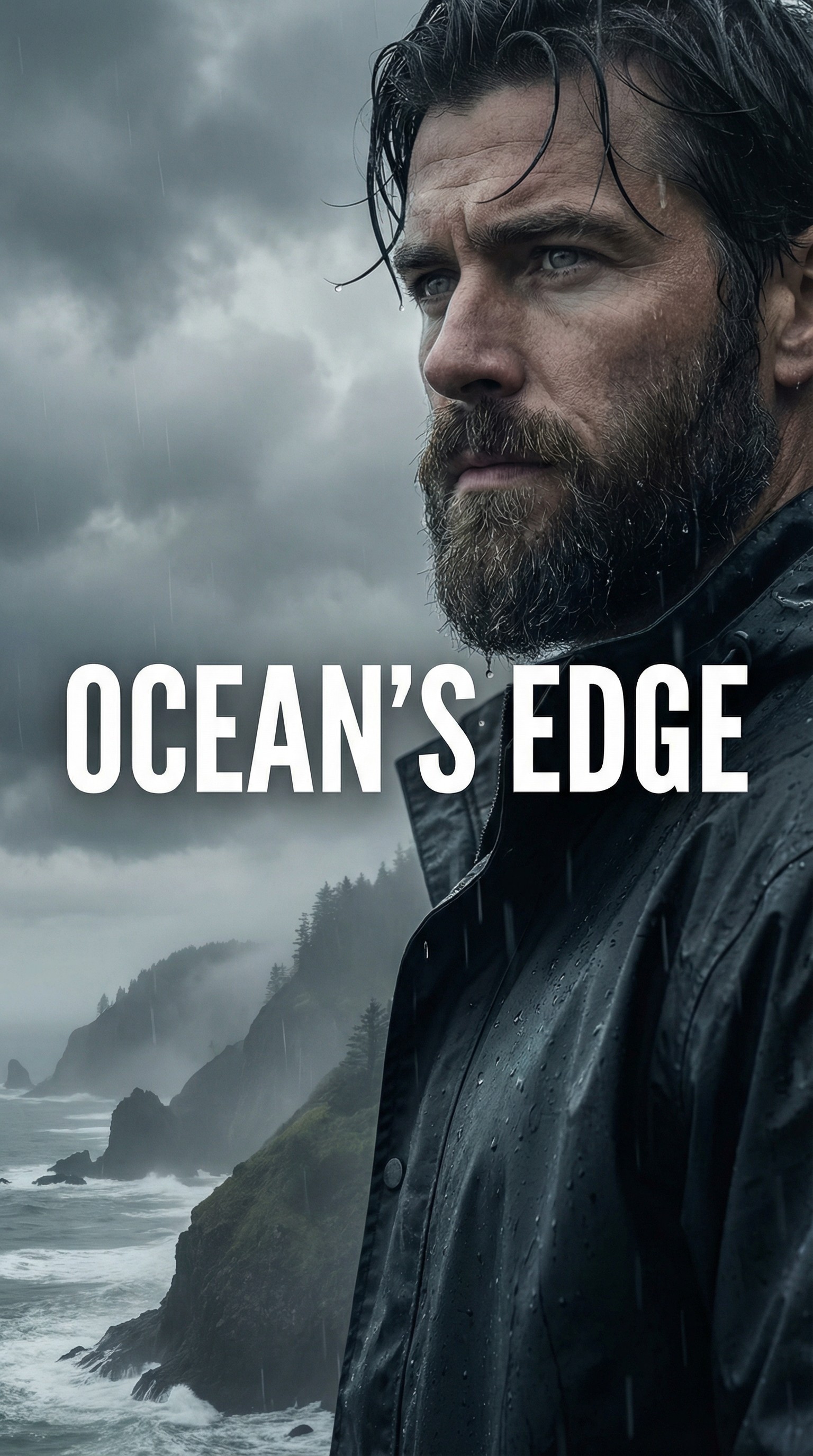
Ocean's Edge
🌶️🌶️
Sub-genres
Rivals in the office
Navigate workplace warfare where professional competition bleeds into personal passion, much like the iconic tension in Sally Thorne's The Hating Game.
Fantasy foes and fae wars
They are on opposite sides of a magical war, forced together by a prophecy or quest. Think of the life or death stakes in Fourth Wing by Rebecca Yarros, where survival means trusting the one person you were trained to kill.
Historical rivals and scandals
Social slights and class divides create animosity in a world of strict rules. Just like Elizabeth and Darcy in Pride and Prejudice, your choices can overcome pride and prejudice to find a love that defies an entire society's expectations.
Dark romance and cruel fates
Explore morally grey characters locked in a dangerous dance of power, revenge, and obsession. Like the arranged marriages in mafia stories such as The Sweetest Oblivion, the hatred is real, but the magnetic pull is even stronger.
You decide what happens next
He pins you against the wall, his infuriating smirk closer than ever.
How do you respond?
Slap his face.
Kiss him hard.
FAQs
Frequently asked questions
What makes the banter so compelling?
Banter is the battleground of wits where characters test each other's limits. It's a way to mask their growing attraction while revealing their intelligence and vulnerabilities. In our stories, your dialogue choices build that crackling tension that makes their eventual surrender so sweet.
Why is 'forced proximity' so common?
Forced proximity, like being snowed in or sharing the 'one bed', strips away the characters' external defenses. It forces them into an intimate space where they can't escape each other or their developing feelings. This narrative device accelerates the shift from enemies to something more.
How does the 'hate' feel believable?
The animosity often stems from a fundamental misunderstanding, a deep rooted rivalry, or conflicting values. Our stories establish these stakes early, so the conflict feels earned. Your choices then navigate the slow process of them discovering the truth about each other, making the love feel real.
What's the 'moment of realization'?
It's that critical turning point where one character sees the other in a new light, often in a moment of unexpected kindness or vulnerability. The 'enemy' suddenly becomes a person, and the hatred starts to crumble. You get to choose how and when this happens.
Do they have to forgive each other?
Not always completely. Great enemies to lovers stories often involve forgiveness, but sometimes it's more about acceptance. They might accept the past and the pain they caused each other, choosing to build a future based on the passionate connection they've forged despite their history.